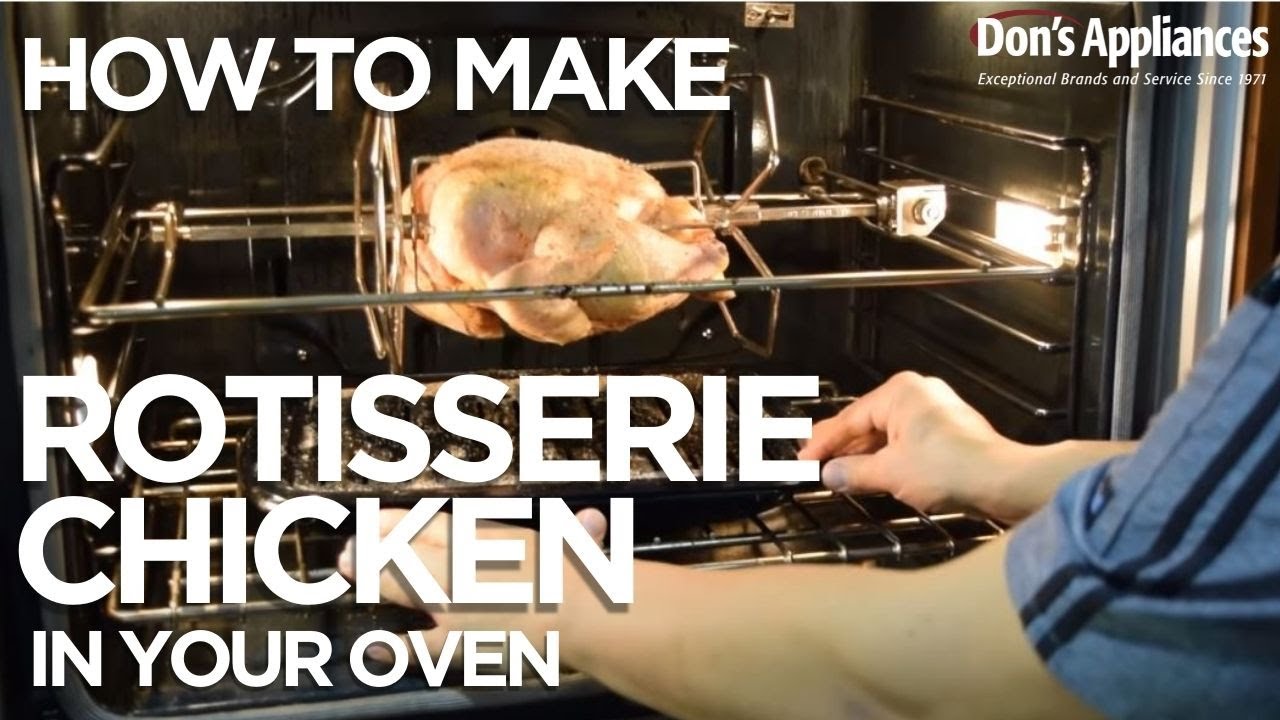
The allure of a golden-brown, juicy rotisserie chicken is undeniable. The crispy skin, the succulent meat practically falling off the bone – it's a weeknight dinner savior for many busy households. But what if you could achieve that same mouth-watering perfection, not from a grocery store warmer, but right in your own kitchen? Imagine skipping the trip, saving money, and enjoying a chicken bursting with flavors you control, all without any fancy, special equipment. Sounds too good to be true? It's not! We're here to show you exactly how to make rotisserie chicken in the oven, transforming a simple whole chicken into a culinary masterpiece that rivals, and often surpasses, anything store-bought.
Why Ditch the Store for Homemade Rotisserie Chicken?
For years, a weekly pilgrimage to the supermarket for a pre-cooked rotisserie chicken was a ritual for many. It's convenient, yes, but often comes with a few compromises. Homemade oven-roasted rotisserie-style chicken, however, offers a multitude of benefits that make the minimal effort truly worthwhile:
- Unbeatable Flavor & Quality Control: When you make it yourself, you dictate every ingredient. From the freshness of the chicken to the quality of your herbs and spices, you're in charge. This means no hidden additives, excess sodium, or mystery ingredients. You can tailor the seasoning rub to your family's preferences – spicy, herby, smoky, or classic.
- Significant Cost Savings: A whole raw chicken is almost always more economical than its pre-cooked rotisserie counterpart. Over time, these savings add up, making homemade a much more budget-friendly option for regular meals.
- Incredible Aroma: There’s nothing quite like the scent of a roasting chicken filling your home. It’s an instant mood-lifter and appetite stimulant, creating a warm, inviting atmosphere that store-bought simply can't replicate.
- Endless Leftover Possibilities: While store-bought rotisserie chicken is great for immediate meals, homemade provides ample leftovers that are perfect for countless other recipes. Think sandwiches, salads, tacos, soups, casseroles, and more. It’s the ultimate meal prep hero. Skip the Store: Make Better Rotisserie Chicken in Your Own Oven and unlock a world of culinary versatility.
- Surprisingly Easy: Despite its gourmet appearance, making a rotisserie-style chicken in your oven is a mostly hands-off process. A little prep, then the oven does the majority of the work, leaving you free to focus on other things.
Mastering the "Rotisserie" Effect in Your Oven
The secret to achieving that coveted rotisserie-style chicken without a spit and motor lies in a few simple techniques. It’s all about creating the perfect environment for crisp skin and incredibly juicy meat. The key principles involve proper preparation, a flavorful seasoning, and strategic roasting.
Essential Ingredients for Your Oven Rotisserie Chicken
You’ll be surprised how few ingredients you need for such spectacular results. Here's a foundational list, easily adaptable to your taste:
- 1 Whole Chicken (4-5 pounds): The star of the show! Look for one that's plump and fresh.
- 4 tablespoons Unsalted Butter, melted: Essential for helping the skin crisp up to a beautiful golden-brown and carrying flavor.
- Aromatics for the Cavity (Optional but Recommended):
- 1-2 Onions, quartered
- 2-3 Lemons, halved
- 4-6 Garlic cloves, crushed or halved
- Sprigs of fresh rosemary or thyme
For the Ultimate Rotisserie Seasoning Rub:
This rub combines classic flavors that penetrate the meat and create that iconic rotisserie taste. Feel free to adjust quantities or add your own favorite spices!
- 2 teaspoons Sea Salt (or Kosher Salt)
- 1 teaspoon Seasoning Salt (or an extra 1/2 tsp regular salt)
- 1 teaspoon Black Pepper, freshly ground
- 1 teaspoon Smoked Paprika (for color and a hint of smoky flavor)
- ½ teaspoon Onion Powder
- ½ teaspoon Garlic Powder
- ½ teaspoon Dried Thyme
- 2 teaspoons Dried Rosemary (crushed, optional but highly recommended for authentic flavor)
- Pinch of Cayenne Pepper (for a subtle kick, optional)
Step-by-Step Guide: How to Make Rotisserie Chicken in Your Oven
Let's get down to business! Follow these steps for an unbelievably delicious, crispy, and tender chicken.
Step 1: Prep Your Chicken for Success
- Bring to Room Temperature: For even cooking, remove your whole chicken from the refrigerator at least 30-60 minutes before you plan to roast it. This helps prevent the exterior from cooking too quickly while the interior remains cold.
- Pat Dry, Dry, Dry: This is perhaps the most crucial step for crispy skin. Use paper towels to thoroughly pat the entire chicken dry, inside and out. Any moisture on the skin will steam rather than crisp.
- Trussing (Optional but Recommended): Tucking the wing tips under the chicken and tying the legs together with kitchen twine helps the chicken cook more evenly and creates a more compact, attractive shape. This prevents the wing tips from burning and the leg meat from drying out.
Step 2: Apply the Flavorful Rub
- Preheat Oven: Preheat your oven to a relatively high temperature, typically 400°F (200°C). Some recipes advocate a low and slow method for ultimate tenderness, but a higher initial temperature helps kickstart the crisping process.
- Combine Seasoning: In a small bowl, mix all the seasoning rub ingredients together until well combined.
- Butter Up: Brush or rub the melted butter evenly over the entire surface of the chicken. This acts as a binder for the rub and contributes significantly to the browning and crisping.
- Season Generously: Sprinkle the seasoning rub all over the chicken, making sure to get into all the crevices. Don't forget to season the cavity lightly too!
- Add Aromatics: Stuff the quartered onions, lemon halves, crushed garlic, and herb sprigs into the chicken's cavity. These will infuse the chicken with incredible aroma and moisture as it roasts.
Step 3: Roast to Perfection
- Prepare Roasting Pan: Place the prepared chicken in a roasting pan. Ideally, use a pan with a rack so air can circulate around the entire chicken, promoting even cooking and crispier skin. If you don't have a rack, you can create a bed of chopped vegetables (carrots, celery, more onion) to elevate the chicken.
- Initial High Heat: Place the chicken in the preheated 400°F (200°C) oven. Roast for about 20-30 minutes at this higher temperature to kickstart the browning and crisping process.
- Reduce Heat & Continue Roasting: After the initial high-heat blast, reduce the oven temperature to 375°F (190°C) and continue roasting. The total cooking time will vary depending on the size of your chicken, usually around 1 hour 15 minutes to 1 hour 45 minutes for a 4-5 pound chicken.
Step 4: Baste and Monitor
- Basting (Optional): While basting is often recommended to keep the chicken moist, a properly seasoned and high-temperature roasted chicken can often do without frequent basting, especially if you prioritize crispiness. If you choose to baste, do it sparingly (every 20-30 minutes) with pan drippings or additional melted butter, especially during the later stages of cooking. Too much basting can soften the skin.
- Tenting with Foil: If the skin is browning too quickly before the internal temperature is reached, loosely tent the chicken with a piece of aluminum foil to prevent burning.
- Check Internal Temperature: The most important step for a perfectly cooked and safe chicken is to use an instant-read meat thermometer. Insert it into the thickest part of the thigh (without touching the bone) and into the thickest part of the breast. The chicken is done when both areas register 165°F (74°C). Start checking around the 1-hour mark and continue checking every 10-15 minutes near the end.
Step 5: Rest and Serve
- The Critical Rest: Once the chicken reaches 165°F (74°C), remove it from the oven and transfer it to a cutting board. Loosely tent it with foil and let it rest for at least 10-15 minutes (20 minutes is even better). This allows the juices to redistribute throughout the meat, resulting in an incredibly moist and tender chicken. Skipping this step will result in juices running out, leaving you with drier meat.
- Carve and Enjoy: After resting, carve your beautiful homemade rotisserie-style chicken and serve immediately.
Pro Tips for the Crispiest Skin and Juiciest Meat
- Don't Overcrowd the Pan: Ensure there's enough space around the chicken for air circulation. If your pan is too small, the chicken will steam rather than roast.
- Elevate Your Chicken: A roasting rack is your best friend. It allows hot air to circulate all around the bird, ensuring even cooking and a crispy bottom.
- Consider a Vertical Roaster: While not "special equipment" in the rotisserie sense, a vertical chicken roaster (often called a beer can chicken stand) can also create fantastic results, mimicking the all-around exposure of a rotisserie.
- Avoid Opening the Oven Door Too Often: Each time you open the oven, the temperature drops, extending cooking time and potentially impacting crispiness. Trust your thermometer!
- The Thermometer is Non-Negotiable: Guessing doneness is a recipe for dry chicken or worse, undercooked poultry. Invest in a good instant-read thermometer.
There you have it! A comprehensive guide on how to make rotisserie chicken in the oven, transforming a simple whole chicken into a show-stopping meal without any specialized equipment. From the budget-friendly benefits to the incredible control over flavor and the joy of a kitchen filled with the aroma of home cooking, making your own rotisserie-style chicken is a truly rewarding experience. So, next time you crave that crispy skin and tender, juicy meat, skip the grocery store line and create your own perfect oven-roasted masterpiece. Your taste buds, and your wallet, will thank you!
